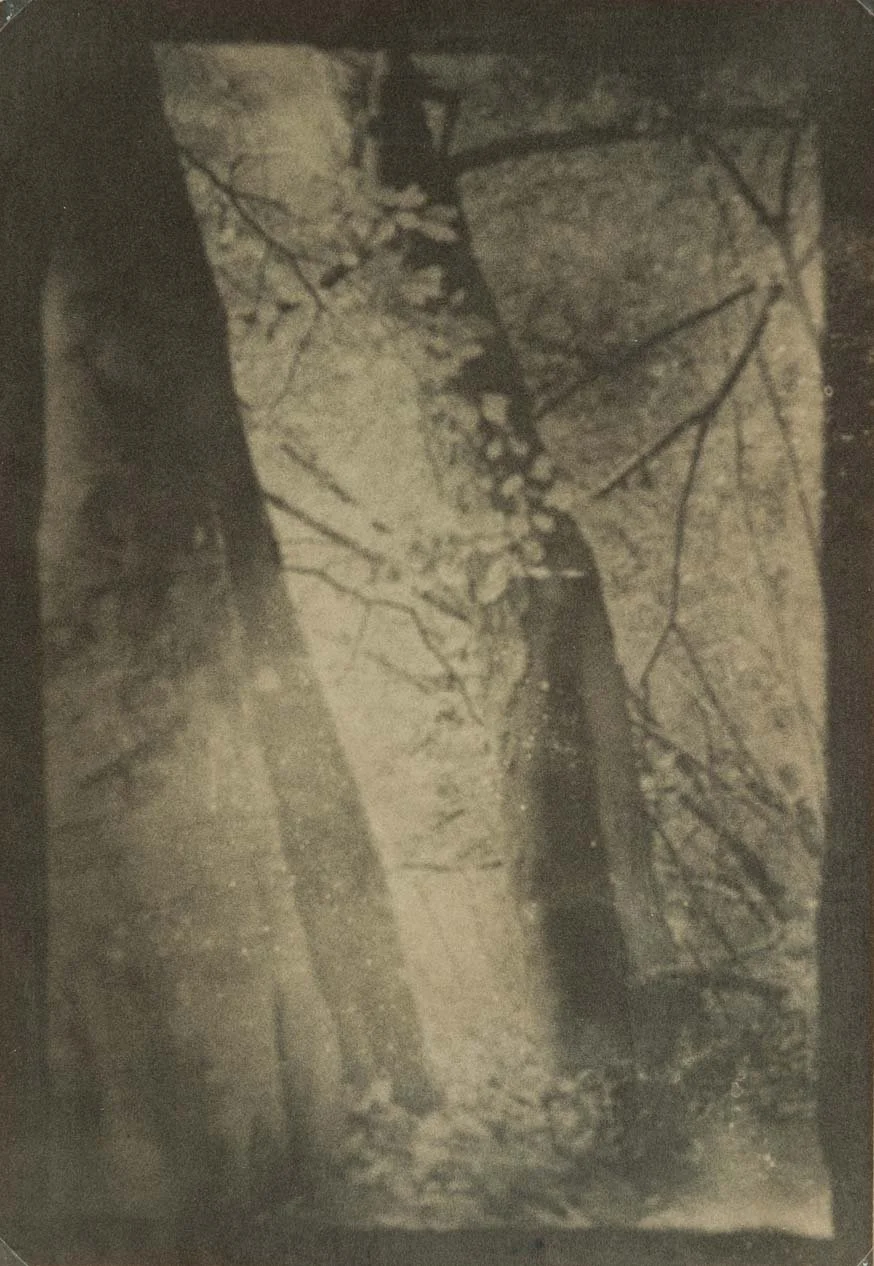
FRANCESCO TORI AND LINDA ZAMBOLIN, #26, PHOTOGRAPHY, HAND-TINTED AND WAXED PIGMENT PRINT
An Embodied Act of Listening — The Curator Shares Her Perception
Once Upon a Time – Incarnation of Place — a photography series by Linda Zambolin and Francesco Tori
A reason to slow down—a pause, a moment to stop in one’s tracks—to view all 35 images in the series as if they were a single piece of film: this is my interpretation of Once Upon a Time – Incarnation of Place by Francesco Tori and Linda Zambolin. Experiencing this exhibition in person, one encounters photography not as documentation, but as an incarnation of place—an embodied act of listening to land, memory, and time.
Opening at El Nido on January 10, 2026, the exhibition resonates deeply with cycles of pastoral life, slow movement, and shared stewardship of the earth. These images feel shaped by walking, waiting, and returning—by the quiet labor of inhabiting a landscape rather than extracting from it. In this context, grazing becomes both a literal and poetic gesture: a way of moving through terrain with care and allowing the land to speak back.
Tori and Zambolin’s photographs hold traces of ancestral rhythms and lived presence, inviting us into a “once upon a time” that is not nostalgic, but ongoing—where place, body, and image meet in a continuous, attentive exchange.
As we venture deeper into an increasingly accelerated and informal age—shaped by AI, automation, and image saturation—Once Upon a Time – Incarnation of Place becomes especially relevant because it insists on slowness, presence, and lived experience as forms of knowledge. In a moment when images can be endlessly generated without physical contact, Tori and Zambolin’s photographs remain grounded in time spent, bodies moving through terrain, and an ethics of attention that cannot be replicated by algorithms.
The work reminds us that meaning is not produced through speed or efficiency, but through relationship—with land, with memory, and with the rhythms that shape human and more-than-human life. Photography here resists becoming mere data; it remains an act of care, a form of witness shaped through duration and return.
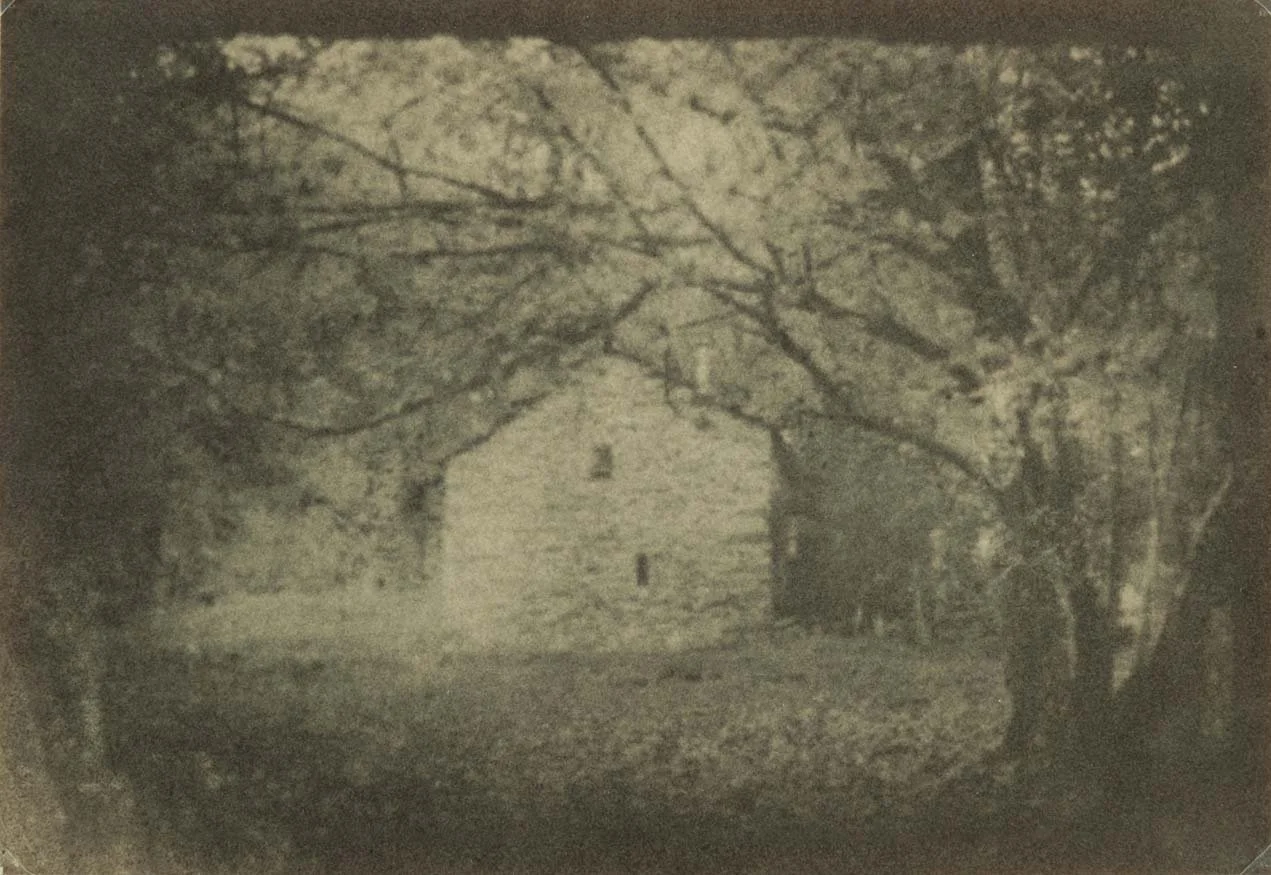
FRANCESCO TORI AND LINDA ZAMBOLIN, #26, PHOTOGRAPHY, HAND-TINTED AND WAXED PIGMENT PRINT
For a Los Angeles audience—living within a city defined by reinvention, technological optimism, and constant forward motion—this exhibition offers a necessary counterpoint. Los Angeles is both deeply mediated and profoundly disconnected from the sources of its sustenance, its water, and its land histories. Once Upon a Time gently reopens questions of stewardship, grazing, and coexistence, asking viewers to consider where they stand in relation to the environments that support them. At El Nido, the work creates an intimate pause within the urban sprawl—a space to reflect on what is being lost, what can still be tended, and how, even in an AI-driven era, embodied presence remains essential to cultural memory and collective imagination.
Let me remind the viewer that Francesco Tori and Linda Zambolin work as a true partnership, moving together across the land, tracking through nature as a shared act of attention. Each photograph emerges from a collective process in which both are equally present—witnessing the terrain, attuning themselves to natural rhythms, and arriving at a mutual vision before composing the shot. Their union is not only relational but creative, shaped by dialogue, trust, and a sensitivity to place that deepens through walking and waiting together. After printing, the images are hand-dyed with coffee, further romanticizing their devotion to the craft and infusing the photographs with warmth, time, and intimacy. Finally, a sheer veil of wax is painted onto the surface, evoking the soft, atmospheric presence of early nineteenth-century photography— recalling the spirit of Julia Margaret Cameron—where the image feels less like a record and more like a memory held in suspension.
This process is a return to acknowledging time and presence, allowing the photograph to function as a relic—an accumulation of moments, gestures, and lived attention. Each image holds fragments of evolution: time spent walking, witnessing, agreeing, and returning, layered into the surface through hand processes that slow the act of seeing. The photograph is no longer instantaneous but durational, carrying the weight of what has been encountered and felt. In lingering with a single image, the viewer is invited into a meditative state, where looking becomes an act of contemplation. Within this sustained attention, transformation—or even transcendence—can occur, as the image opens beyond representation and becomes a quiet portal into shared human experience, memory, and being.
This year’s focus on grazing and pastoral life calls us back to first principles—not only for humankind, but for the land itself and the delicate cellular connections that bind animals, insects, species, flora, and fauna into a living continuum. It serves as a wake-up call, asking us to reexamine how we exist, move, and care for the earth we inhabit. Grazing, in this sense, is not merely an agricultural practice but a philosophy of coexistence—one that honors balance, reciprocity, and long-term stewardship over extraction and speed. In this context, the exhibition becomes a site of reflection on what it means to live on this planet now, urging renewed awareness of our interdependence with all forms of life and the fragile systems that sustain them.
— Victoria Chapman
Los Angeles, December 21, 2025
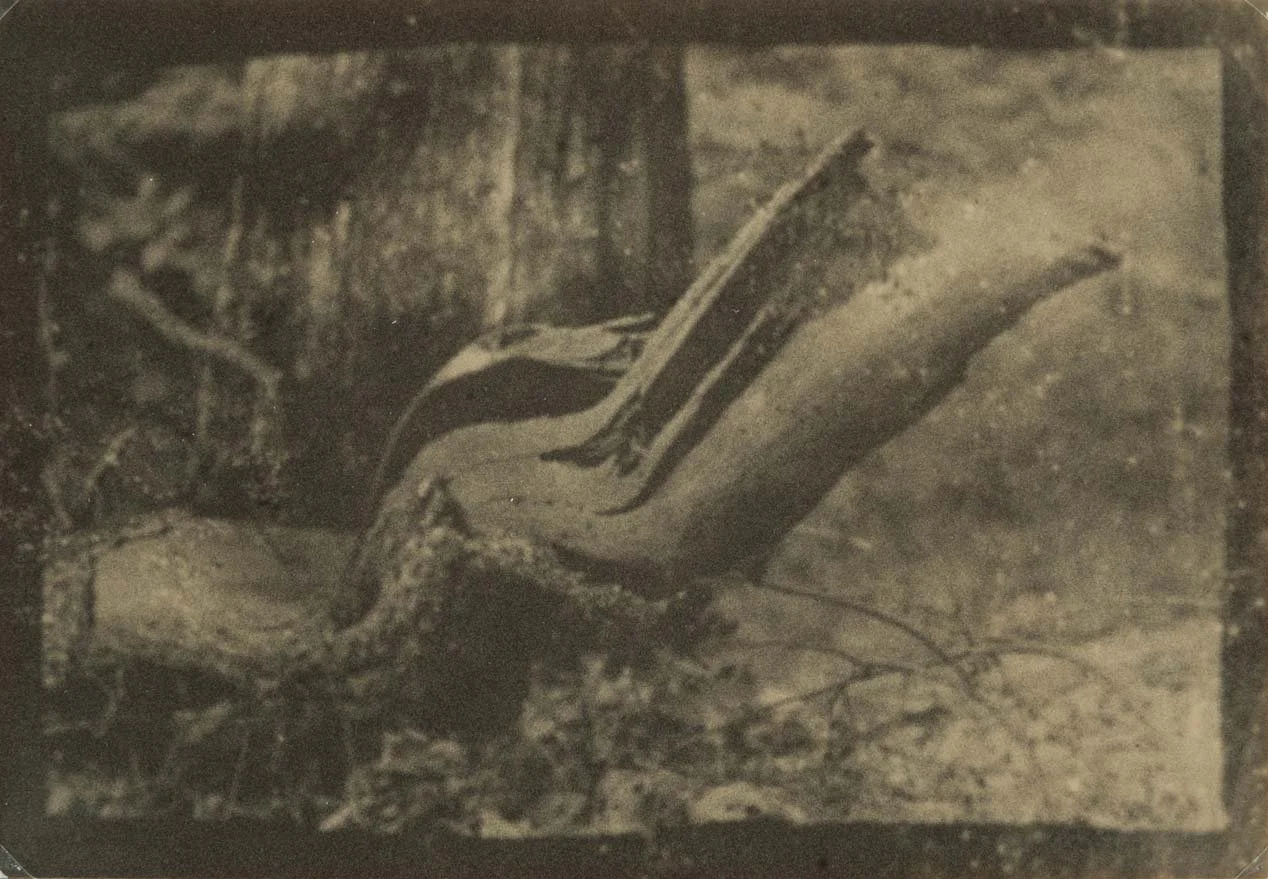
FRANCESCO TORI AND LINDA ZAMBOLIN, #19, PHOTOGRAPHY, HAND-TINTED AND WAXED PIGMENT PRINT
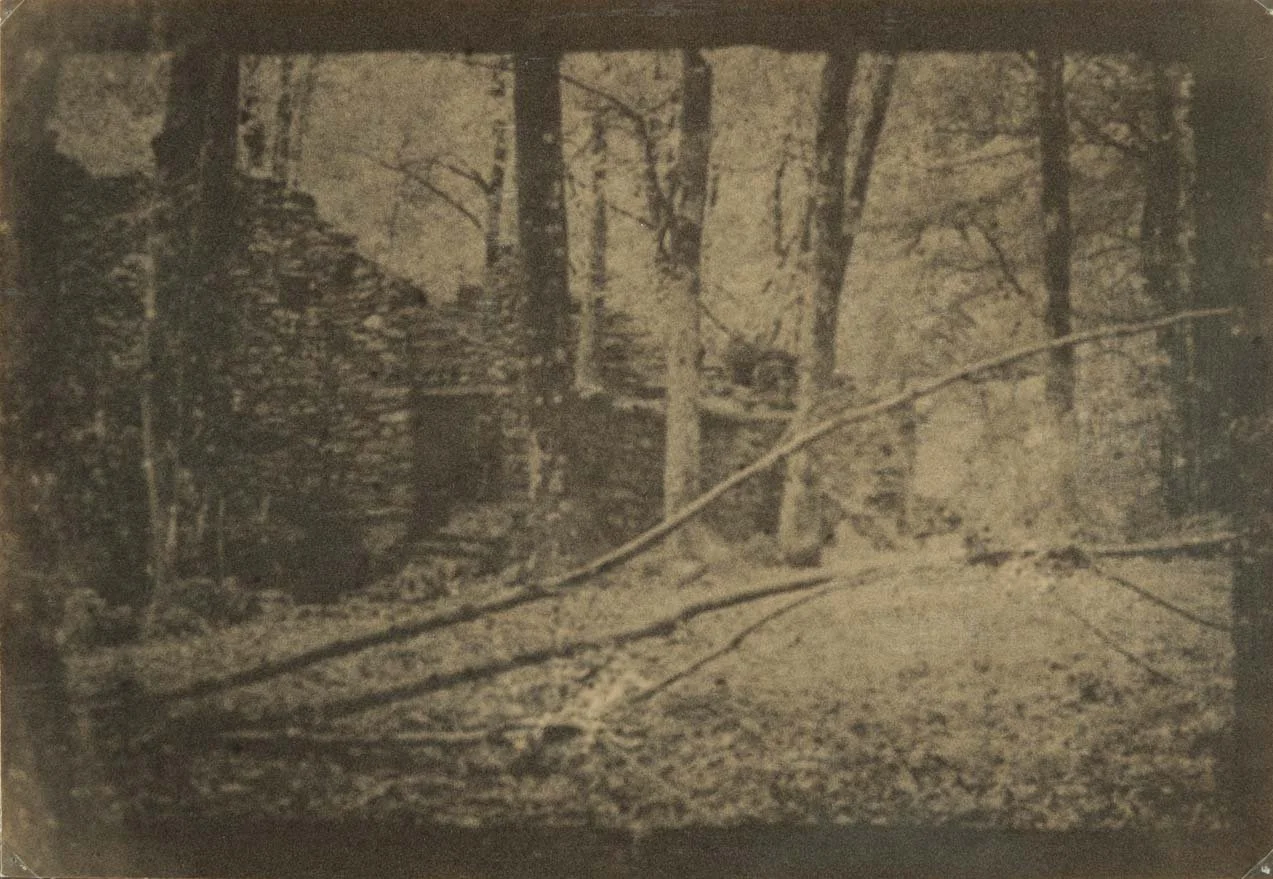
FRANCESCO TORI AND LINDA ZAMBOLIN, #33, PHOTOGRAPHY, HAND-TINTED AND WAXED PIGMENT PRINT